
Looking Beyond Power and Water: E-Waste in Wisconsin’s Data Center Expansion
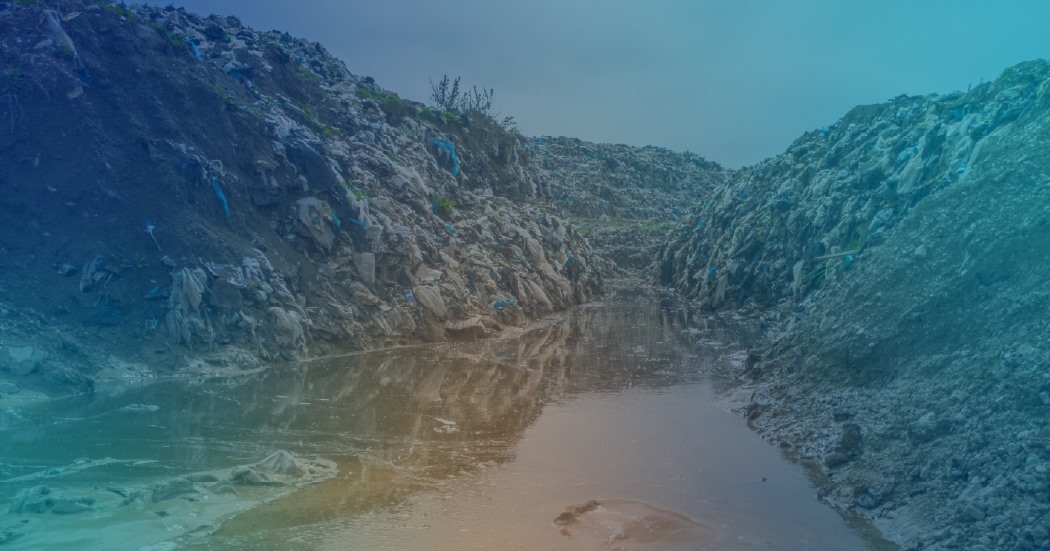
Companies like Microsoft and Meta are investing billions of dollars in massive data centers across Wisconsin that require gigawatts of electricity and millions of gallons of water annually to power artificial intelligence. While Wisconsin policymakers address the environmental and finanical impacts of energy and water use, a lesser discussed, but still important topic, is electronic waste (e-waste). Currently, Wisconsin does not have a state policy that specifically governs the recycling or sustainability of data center e‑waste.
This article provides a clear overview of what Wisconsin’s current electronics recycling law covers, what it does not, and how that applies to large-scale digital infrastructure like data centers. It also explores how other states and countries are approaching this issue, and why growing interest in environmental policy may bring enterprise e-waste into future discussions.
What Wisconsin Law Does and Doesn’t Require for E-Waste
If you search for Wisconsin e-waste recycling law, you’ll find that the state is one of 25 nationwide with a dedicated electronics recycling program. On the surface, that sounds like a strong environmental position, and in many ways, it is.
But a closer look reveals that Wisconsin’s recycling program only applies to certain consumer electronics sold to households and K–12 schools. Enterprise technology, institutional equipment, and large-scale infrastructure like data centers are not included in that framework.
While waste policies ensuring that harmful and hazardous materials are not disposed of in landfills exist for every entity in the state, other ways of understanding and documenting waste creation and management are left out of policy for businesses.
Understanding Wisconsin policy is essential as the state continues to expand in digital infrastructure business.
Requirements That Apply to Everyone
Landfill bans on electronics
Wisconsin prohibits many types of electronics from landfills or incineration including servers, monitors, and printers. This applies to residents, schools, businesses, and data centers alike. Everyone must properly recycle or manage these items through other legal means.
WI DNR: Electronics Disposal Ban
Hazardous materials and universal waste rules
Electronics that contain hazardous substances (like mercury, lead, or batteries) may fall under state and federal hazardous waste regulations. Businesses must comply with universal waste rules when disposing of certain electronic components.
WI DNR: Universal Waste
Emerging environmental assessments (non-e-waste)
Recent legislation related to data centers includes environmental reviews for water usage, energy, and utility impacts.
What the Law Does Not Require
Wisconsin’s current framework does not include electronics sold to or used by businesses, including large-scale data centers. Specifically, data centers are not required to:
- Report the amount of electronic equipment they discard each year
- Contract with certified electronics recyclers
- Follow specific performance or environmental standards for e-waste management
Currently there is no statewide accountability reporting or tracking mechanism for enterprise or institutional e‑waste, including equipment retired from large data centers.
Understanding Why Business E‑Waste Isn’t Included
When Wisconsin passed its electronics recycling law in 2009, the focus was on a highly visible issue: TVs, CRT monitors, and desktop computers from homes and schools were entering landfills or overwhelming local collection sites. Additionally, as the FCC mandated digital transmission of television 2009, the disposal of millions of older TVs was eminent.
In response, the state created a product stewardship model, where manufacturers are responsible for funding the recycling of certain electronics sold to households and K–12 schools. This continues to be the core of the E‑Cycle Wisconsin program.
At the time, business and institutional electronics were not included in the law. The assumption was that organizations had the resources to manage their technology waste through private recyclers or asset recovery systems. As a result, enterprise-scale e-waste was left outside the scope of the program.
Estimating E‑Waste from Hyperscale Data Centers
Though exact figures vary, global and industry data help illustrate the potential scale of data center e‑waste:
- Data centers typically replace servers every 3–5 years, often in bulk.
- Generative AI workloads may accelerate hardware turnover, increasing the overall volume of e-waste, estimating 1.2–5.0 million tonnes of e-waste associated with GAI infrastructure over the decade 2020–2030.
- Hyperscale data centers are designed to house massive quantities of hardware. For example, the Microsoft data center in Mount Pleasant is designed to house hundreds of thousands GPUs (graphics processing units).
- Globally, data centers are projected to generate millions of tons of e‑waste annually, including high-value metals like copper, cobalt, and gold.
The Global E‑Waste Monitor 2024 reports that the world generated 62 million metric tons of e-waste in 2022, with that number expected to rise to 82 million by 2030, yet only 22% was recycled in an environmentally sound manner. (ewastemonitor.info)
Without reporting requirements for enterprise e-waste, the volume and value of these discarded materials in Wisconsin remain unknown, along with how they are managed.
How Other States and Countries Handle Enterprise E‑Waste
Other U.S. States
Most U.S. states use the same consumer-focused product stewardship model as Wisconsin. In general, no state currently mandates e-waste reporting specifically from data centers.
International Examples
- The European Union’s WEEE Directive requires manufacturers to finance recycling across both consumer and professional sectors, with national governments setting collection targets.
- Countries like Sweden, Norway, and the Netherlands have implemented more robust systems for collecting and reporting electronic waste from businesses and institutions, often as part of national strategies to keep materials in use longer through reuse, repair, and recycling (circular economy).
- The Basel Convention governs international trade in hazardous waste, including e-waste, and aims to prevent wealthier countries from exporting toxic materials to nations with weaker environmental protections. The U.S. is not a full party to the agreement.
Why E-Waste Policy May Be Worth Watching
As more data centers are built in Wisconsin, questions around energy, water, and environmental impacts are already part of public conversations and legislation. E-waste has not yet been a major focus of those discussions, but that could change as these facilities scale.
Currently, the state has no formal mechanism to measure or monitor the e-waste generated by large-scale infrastructure, nor any framework for ensuring that hardware is responsibly recycled, reused, or recovered.
Bringing e-waste into the broader conversation about data center sustainability could help communities and policymakers make more informed decisions as digital infrastructure continues to grow.
Sources & Further Reading
- Wisconsin DNR – E-Cycle Wisconsin
- Wisconsin DNR – Universal Waste Guidelines
- The Global E‑Waste Monitor 2024
- EPA – E-Waste Export and Basel Convention
- ERIDirect – International E-Waste Policies
- City of Madison – Electronics Recycling Info
- Microsoft Mount Pleasant Announcement
- E-waste challenges of generative artificial intelligence
- The Basel Convention Overview
- The Hidden Environmental Cost of Data Center Growth — Millions of Tons of E-Waste